
Part one, Intentions versus outcome
For my Final Major Project, I wanted to make a short documentary about Brazilian Jiu-Jitsu that looked visually strong, used archive material, and felt cinematic instead of following the usual interview format. My goal was to explore where BJJ comes from, focusing on its roots in Rio de Janeiro, the Gracie family, and how the sport changed over time. I hoped the film would feel like viewers were stepping into an archive, as if they were finding lost footage or opening a hidden visual record. That’s why I planned to start with a Netflix-style intro, archive textures, old Rio footage, glitch effects, Brazilian music, and then move into modern BJJ scenes. I wanted the documentary to catch the eye of a younger audience, especially those interested in sports, combat sports, editing, culture, and storytelling.
Looking back at the finished film, I think I reached my main visual goal. The opening makes a strong impression because it doesn’t look like a typical school documentary. Instead, it starts with a stylized screen, glitch effects, and archive-inspired visuals. In the first ten seconds, the Netflix-style intro sets up the idea that viewers are about to see something polished and carefully made, not just a bunch of clips. This fits my original plan, since I wanted the documentary to feel like a real media project, not just a way to share facts about BJJ.
The archive section’s visual style also works well. The old footage of Rio de Janeiro gives viewers some historical and cultural background before showing the martial art itself. At 00:25, using the old Rio footage makes it clear that BJJ didn’t just appear out of nowhere—it came from a real place, community, and time. I think this was one of my best creative choices because it let the documentary show history through visuals instead of just narration or text. The archive clips, title cards, and music helped show that the sport has a bigger story behind it.
The project changed as I worked on it. At first, I thought about showing someone walking into a room, sitting on a sofa, turning on a TV, and then having the archive appear on the screen. In the end, I decided to focus on a digital archive or Netflix-style opening instead. The original idea would have needed more careful filming, lighting, acting, and camera work to look real. If it looked fake, it could have hurt the documentary. Choosing the digital opening made things simpler and played to my strengths in editing, since the project became more about rhythm, picking archive clips, transitions, and creating atmosphere.
If I had four more weeks, I would work more on the modern BJJ section. The archive opening is strong, but I think the shift from historical footage to modern BJJ could look even more cinematic. When the film moves from old clips to present-day training, I would improve the transition by building up the sound design, adding a stronger impact sound, and matching the movement between the archive and modern clips more closely. This would make the connection between past and present feel smoother and more professional.
Part 2, Technical self-assessment
I believe that the editing rhythm and visual atmosphere are the strongest parts of my film. The opening has a clear style, and the pacing is meant to build curiosity. Using archive footage, screen effects, and title cards helps give the film its own identity. I think the first thirty seconds work well because they hold back information and create the feeling of entering an archive. The screen graphic, glitch movement, and sound together make a strong hook. This gives the documentary a recognisable opening style before the historical footage starts.
Colour grading was a key part of the project because the footage came from many sources. Some clips were archive footage, some were modern BJJ clips, and some I filmed myself, including seminar and training footage at KSC Academy. The raw footage did not match at first. To make the film feel more unified, I adjusted the colours to reduce the differences between sources. For the archive sections, I used a faded, older look with less sharpness, lower contrast, and a warmer tone. For the modern BJJ footage, I kept more clarity and contrast so the movement felt more immediate and alive. I did not want every clip to look the same, since archive and modern footage should feel different, but I wanted the changes to look intentional, not messy.
The colour grade is effective because the archive footage has a consistent old-film look. However, one clip stands out because its exposure and colour temperature are a bit different from the others, making the source change more obvious. If I were re-editing, I would use the Lumetri Color panel in Premiere Pro and Lightroom adjustments more carefully to match shadows, highlights, and warmth across the sequence. I would also compare clips side by side instead of grading them one at a time, since it is easier to judge consistency that way.
Audio is important because the film uses music, archive sounds, and effects to guide the viewer. The music choices support the Brazilian identity of the project and add energy. The opening sound design works well because the glitch and static effects make the archive concept feel real. Some audio levels could be improved, though. In some parts, the music or sound effects are a bit louder than the rest of the audio. This creates impact but could be balanced more smoothly. If I were fixing this, I would use keyframes in Premiere Pro to make the fades more gradual and avoid sudden volume changes.
The editing rhythm works well because the documentary does not linger too long on one type of footage. It moves from a digital intro to archive material, then to cultural context, BJJ history, and finally modern training. This gives the film a clear sense of progress. Still, the pacing in the middle could be better. The archive section could be a bit shorter or have stronger sound design to keep the energy up. This matters because a younger audience might lose interest if a sequence feels too slow without enough movement, music changes, or visual development.
Part 3, Peer feedback analysis
The peer feedback showed that the strongest pattern was the audience responding well to the visual style and the opening. In the questionnaire, 8 out of 10 people said the opening was one of the most engaging parts of the documentary and agreed with the statement “The introduction of the video is attention grabbing,making me interested straight away”
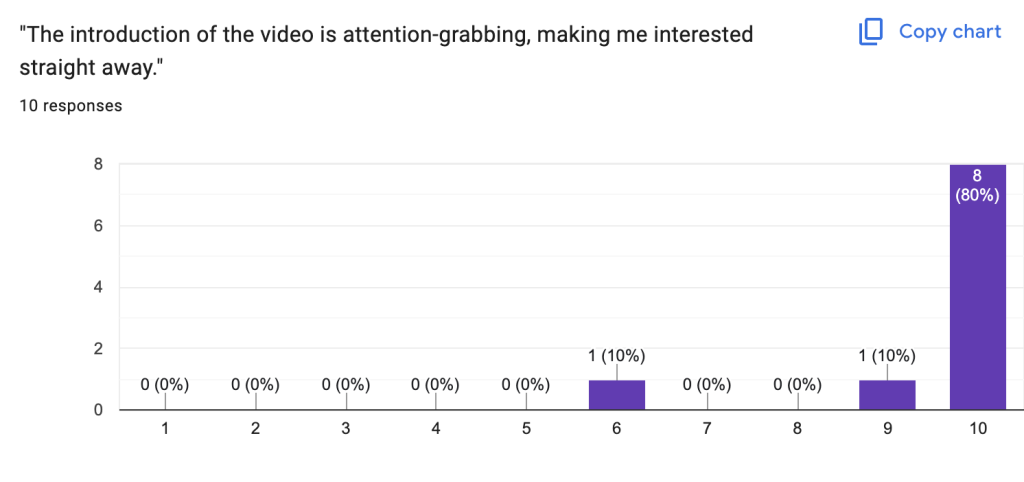
This shows that the archive concept made sense to the audience, not just to me as the editor. I also think the opening is one of the strongest parts of the film. Since several viewers noticed it, the creative intention was clear.
Another pattern in the survey was that viewers understood the connection between old Rio, the Gracie family, and modern BJJ. All 10 respondents said the historical timeline was easy to follow.
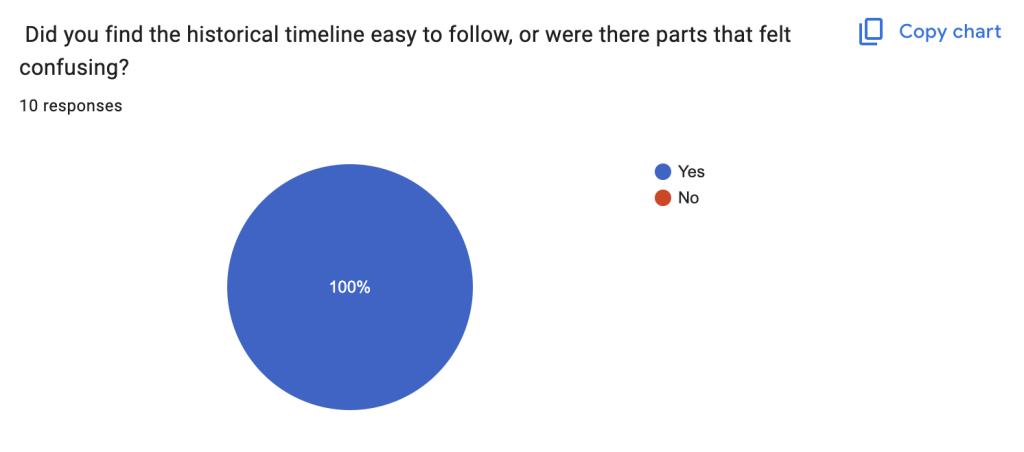
This matters because I wanted to do more than just show exciting BJJ clips. My aim was to connect the sport to its culture, place, and history. If viewers only remembered the fight scenes, the documentary would have missed its main purpose. The feedback shows that the archive section helped tell the story.
I also received some helpful criticism. One peer wrote, “Transitions between old and modern could be made smoother with less jumpcuts.” I agree, as the shift from the archive section to modern BJJ could be improved. The concept is solid, but the editing could be more polished. This feedback shows my idea works, but the execution needs more work. A more professional edit would use better visual matching, smoother sound transitions, and a gradual change in color to make the move from past to present feel dramatic but not abrupt.
The group survey showed that 9 out of 10 people rated the edit as excellent. This means the pacing worked well overall, but there is still room for improvement. Some viewers may have rated the rhythm lower because the film changes style often, with a Netflix-style intro, archive footage, text cards, music, old Rio clips, and modern BJJ. While this variety keeps the film interesting, it can also make it feel uneven if the transitions are not handled well. This feedback taught me that a strong documentary needs more than good individual parts; everything should flow together as one complete story.
Part 4, What I would do differently
If I were to start this documentary over, I would focus more on planning my sources during pre-production. While I did find useful archive footage, I should have made a detailed source log earlier, listing the purpose of each clip before editing. This would stop me from picking footage just because it looks good and make sure every clip supports the story. I would sort my sources into three groups: Rio/location archive, Gracie/BJJ history archive, and modern BJJ/training footage. This would help keep the edit organised and let the film move more clearly from place, to history, to modern impact.
During editing, I would put more effort into making smoother transitions. The main idea in the film is moving from archive footage to modern BJJ, but this part needs the most careful work. I would improve it by matching movements between clips, adding a controlled sound bridge, and using a short visual effect that fits the archive theme. I would avoid sudden effects, since dramatic moments do not always need to be loud or fast. A good transition should feel planned, not just like an effect added between clips.
In colour grading, I would create a clearer grade system beforeFor colour grading, I would set up a clear grading system before making changes. For example, I would have one grade for archive footage, one for modern BJJ footage, and one for seminar or training footage. Then I would adjust each clip within that system instead of grading each one on its own. This would make the film look more consistent. I would also use scopes in Premiere Pro more carefully to check exposure and colour balance, instead of just trusting how it looks on the screen.ntary edits and cinematic archive-based videos, the biggest technical difference is polish. Professional documentaries make every transition, sound effect, colour grade and music change feel invisible because they are so well balanced. My film has strong creative ideas, but there are moments where you can still feel the edit. To close that gap, I would need more time on the fine cut- adjusting audio keyframes, tightening cuts by a few frames, matching colour more accurately and testing the film with viewers before the final export.
Overall, this project showed me that editing a video documentary is more than just putting clips in order. It means managing rhythm, tone, images, sound, and how the audience feels all at once. I learned that archive footage is powerful only when it is shaped carefully with music, pacing, colour, and context. Next time, I would plan my sources earlier, test transitions sooner, and use a more organised approach to colour grading. These changes would help the final film feel more consistent, more cinematic, and closer to a professional sports documentary.